The Price of Moral Courage: John Boyd, Bud Day & Brute Krulak
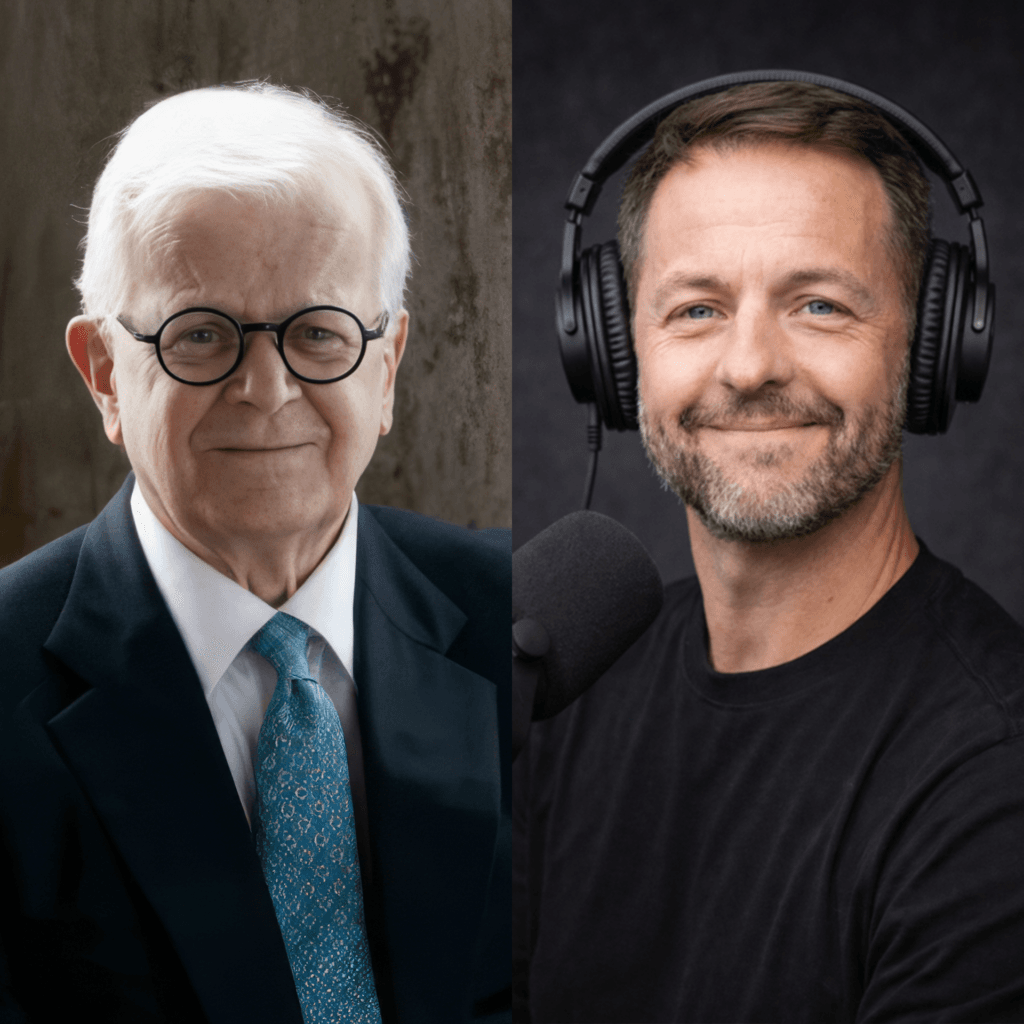
What does moral courage cost when power would rather you stay silent? Investigative journalist and military biographer Robert Coram joins to examine four extraordinary and complicated figures in American military history: fighter pilot and…
Get the next conversation via email
Fresh conversations to help you see the world more clearly
What does moral courage cost when power would rather you stay silent?
Investigative journalist and military biographer Robert Coram joins to examine four extraordinary and complicated figures in American military history: fighter pilot and strategist John Boyd; Medal of Honor recipient and Vietnam POW Colonel George “Bud” Day; Marine Lieutenant General Victor “Brute” Krulak; and World War II fighter pilot, double ace, and God Is My Co-Pilot author Robert Lee Scott Jr.
Coram explains the pattern that drew him to Boyd, Day, and Krulak: each reached a moral fork where principle threatened promotion, safety, status, or career. Scott became the revealing exception—a study in genuine achievement, heroic legend, and the difficulty of separating memory from fact.
The conversation explores Boyd’s influence on air combat, fighter design, military strategy, and the OODA loop; Day’s five years, seven months, and thirteen days as a POW in North Vietnam, the prolonged torture he endured, the resistance he resumed after his body reached its limit, and the burden carried by his wife, Dorie; and Krulak’s warning to President Lyndon B. Johnson about the Vietnam War—an act Coram believes helped cost Krulak a fourth star and the chance to become Commandant of the Marine Corps.
Eric and Robert also examine what happens when one of a celebrated pilot’s most dramatic stories cannot be verified.
Robert recounts the undercover South Caicos reporting trip that put him inside a drug-smuggling network, the “Book Angel” who helped send him toward Boyd, and the private costs carried by military families. He explains how writing American Patriot changed his understanding of military virtue, patriotism, and his father. Finally, Coram turns his investigative method on himself and asks whether his memoir Gully Dirt was too honest.
Questions Answered
- Why did Robert Coram choose John Boyd, Bud Day, and Brute Krulak—and why was Robert Lee Scott Jr. the exception?
- How did John Boyd influence air combat, fighter design, military strategy, and the OODA loop?
- What did Bud Day endure during more than five and a half years as a POW in North Vietnam?
- What did resistance look like after torture overcame Day’s body?
- What role did Dorie Day play during his captivity and after he returned home?
- Why does Coram believe Brute Krulak’s warning to LBJ cost him the Marine Corps Commandancy?
- Was Robert Lee Scott Jr. an original AVG Flying Tiger?
- How can a biographer separate documented achievement from heroic legend?
- How did an undercover reporting trip to South Caicos put Coram inside a smuggling network?
- How did writing American Patriot change Coram’s understanding of military service and his father?
- Why did Coram wonder whether Gully Dirt was too honest?
Books Discussed
- Boyd: The Fighter Pilot Who Changed the Art of War
- American Patriot: The Life and Wars of Colonel Bud Day
- Brute: The Life of Victor Krulak, U.S. Marine
- Double Ace: The Life of Robert Lee Scott Jr., Pilot, Hero, and Teller of Tall Tales
- Gully Dirt
- Ink
Related analysis
If Integrity Requires Heroism, the System Is Already Broken examines what Coram’s biographies reveal about incentives, institutions, and moral courage.
Episode Links
Transcript: Read on Substack
Robert Coram’s website: Visit robertcoram.com
Robert Coram’s books: Browse on Amazon
For more episodes: Browse all episodes
Questions or guest ideas: Contact Eric