Are We Living at the End of Modernity?
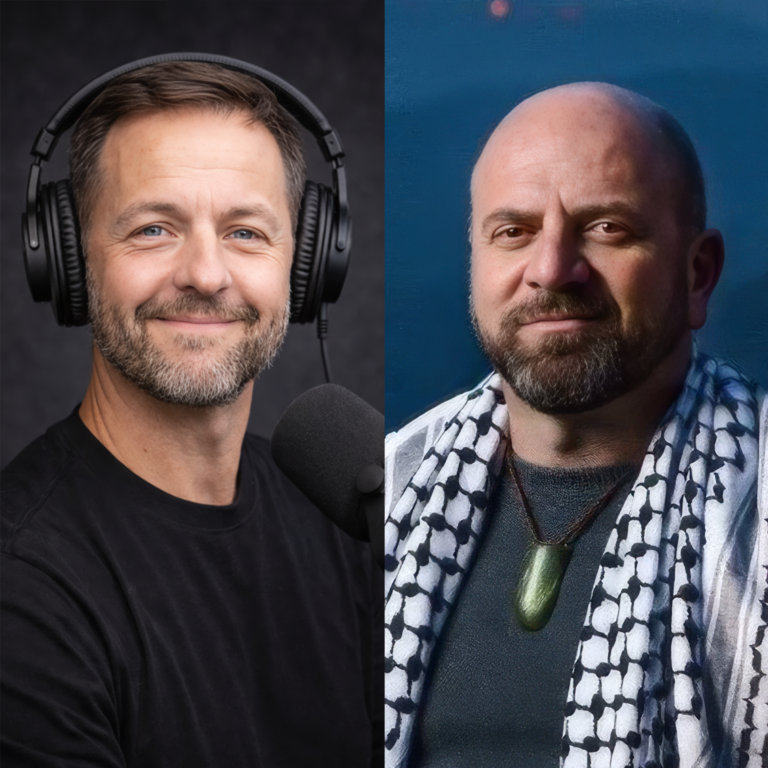
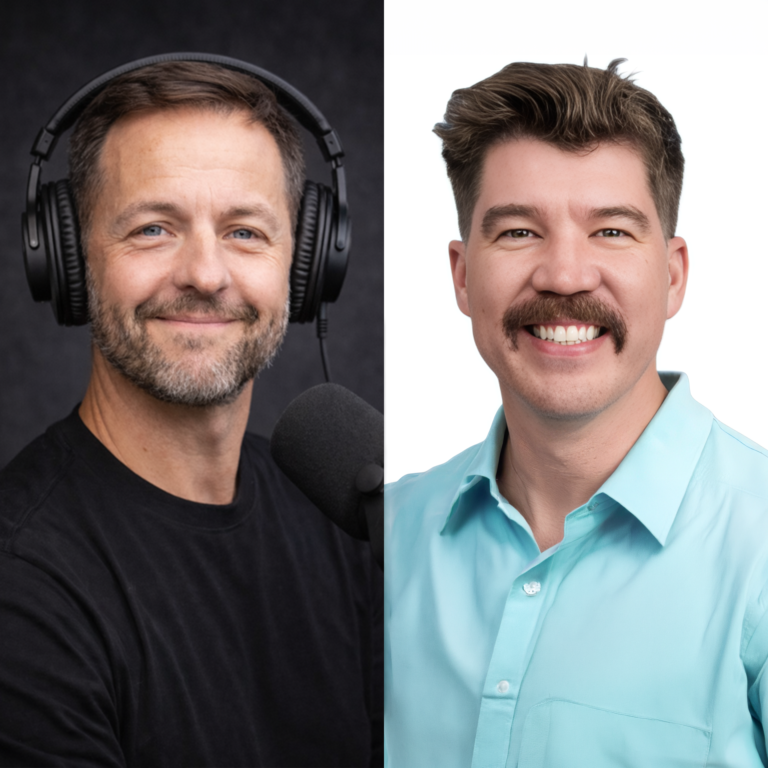
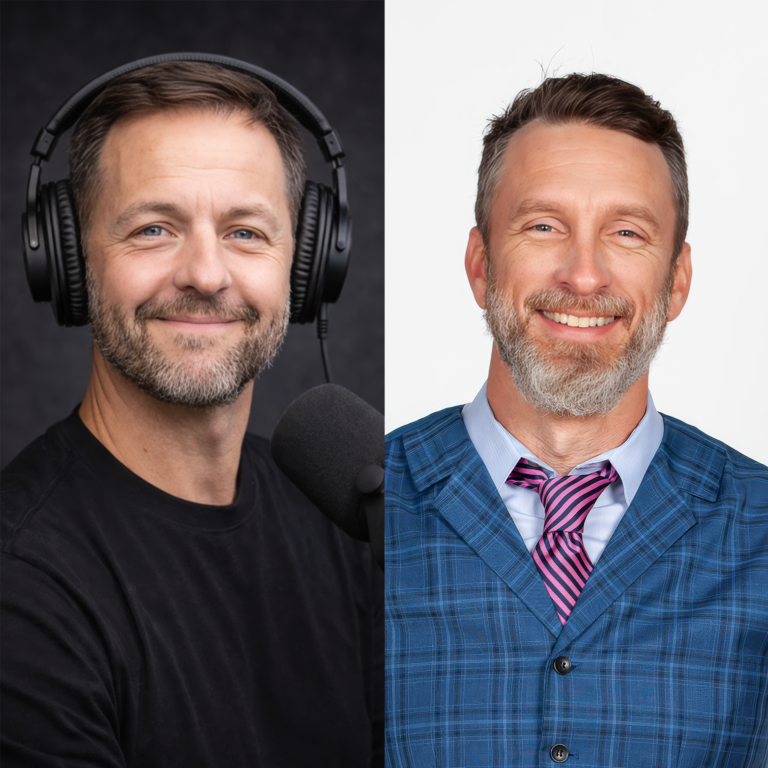
In this episode, Eric talks with futurist and philosopher Eliot Frick about a question that quietly sits beneath many of today’s biggest debates: what if the anxiety, polarization, institutional distrust, and constant sense of…
Get the next conversation via email
Fresh conversations to help you see the world more clearly
In this episode, Eric talks with futurist and philosopher Eliot Frick about a question that quietly sits beneath many of today’s biggest debates: what if the anxiety, polarization, institutional distrust, and constant sense of crisis are not isolated problems, but signs that an entire way of thinking has reached its limits?
Drawing from Thomas Kuhn, Nietzsche, complexity theory, developmental psychology, mythology, and futures studies, Eliot argues that paradigms behave like living systems. They emerge, expand into new possibilities, become increasingly rigid, and eventually struggle to solve the very problems they once addressed.
The conversation explores why collapse narratives have become so compelling, why institutions increasingly feel performative rather than generative, why social media rewards outrage over imagination, and why cultures often become obsessed with finding new enemies as they run out of new frontiers.
Rather than asking whether society is getting better or worse, Eliot invites a different question: What if we are living through the end of one worldview and the uncertain birth of another?
At its core, this is a conversation about perception. About the invisible assumptions that shape how we understand progress, identity, institutions, and the future itself.
Questions Answered
- What is a paradigm shift?
- What is modernity?
- Why does everything feel like it’s falling apart?
- Why are collapse narratives so persuasive?
- Why do institutions become increasingly performative?
- What is an egregore and how does it influence society?
- What is adjacent possibility?
- Why do cultures stop feeling optimistic?
- Why do societies become more polarized over time?
- Is progress itself a kind of hidden religion?
- How do civilizations transform without completely collapsing?
- What comes after a dominant cultural paradigm?
Episode Links
- Eliot’s latest article that we discuss: Visit subjunctivism.org
- Eliot Frick on Substack: Visit subjunctivism.org
- Eliot’s previous appearance: View the related episode
- Thomas Kuhn, The Structure of Scientific Revolutions: Visit en.wikipedia.org
- Jim Dator, Four Images of the Future: Visit foresightguide.com
Go deeper: Read Eric Pratum’s essay, “When the Process Outlives the Problem It Was Built to Solve”, which examines how organizations can remain faithful to a process after its connection to purpose has weakened, and how leaders can preserve room for alternatives.
For more episodes: Browse all episodes
Questions or guest ideas: eric@inboundandagile.com
Key takeaways
- Anxiety, polarization, and institutional distrust may be connected symptoms of a dominant worldview losing its ability to generate convincing answers.
- Paradigms behave like living systems: they open new possibilities, become rigid as they mature, and eventually struggle with problems created by their own success.
- Moving beyond collapse requires more than criticism; it requires the imagination to see and practice a different way of understanding progress, identity, and the future.
Questions this conversation answers
- What is a paradigm shift, and how is it different from ordinary social change?
- Why have collapse narratives become so persuasive?
- Why do institutions become increasingly performative as a worldview ages?
- How can a civilization transform without simply collapsing?
Continue listening
If this conversation was useful, continue with Eliot Frick: Pioneering the Unknown.
Questions or guest ideas? Contact Eric.