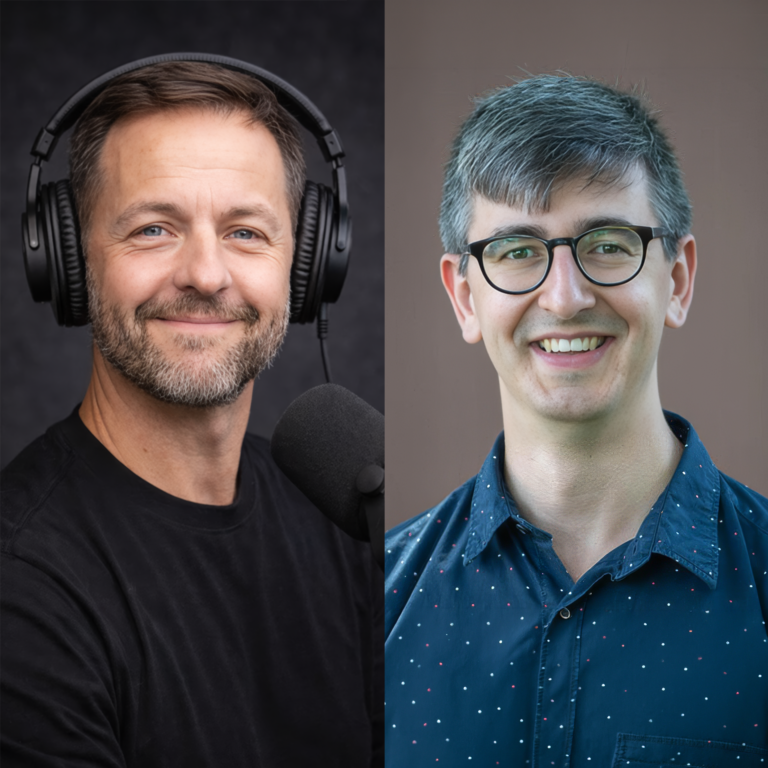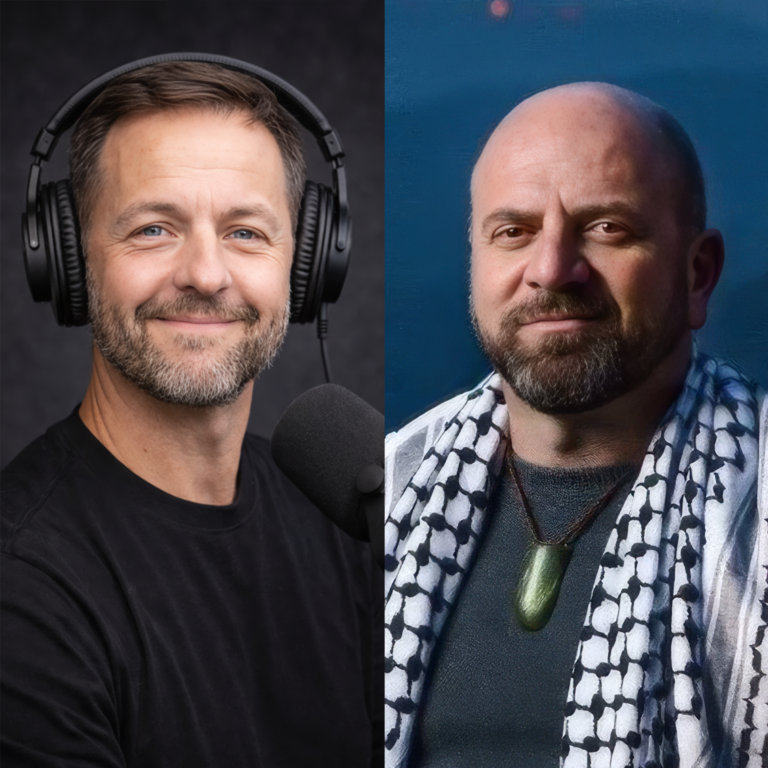
Kelly Monahan: Work Changed. Leadership Didn’t.
In this episode, Eric talks with Kelly Monahan, organizational psychologist and author of Essential: How Distributed Teams, Generative AI, and Global Shifts Are Creating a New Human-Powered Leadership, about a reality many organizations are…
Get the next conversation via email
Fresh conversations to help you see the world more clearly
In this episode, Eric talks with Kelly Monahan, organizational psychologist and author of Essential: How Distributed Teams, Generative AI, and Global Shifts Are Creating a New Human-Powered Leadership, about a reality many organizations are still struggling to face: the workplace changed faster than leadership practices did.
For decades, leadership relied on proximity. You could see who was working, overhear conversations, and step in when problems emerged. Then remote and distributed work arrived at scale, followed quickly by artificial intelligence. The structures that once made leadership feel intuitive suddenly stopped working. Visibility disappeared. Informal feedback loops broke down. And many leaders discovered they did not actually know how to lead without physical presence.
The conversation explores what distributed work reveals about human behavior. When distance increases, trust becomes more intentional. Communication becomes more deliberate. Culture becomes less about slogans and more about daily decisions. Technology can connect people instantly, yet it cannot replace clarity, accountability, or shared purpose.
They also discuss the growing role of AI in shaping work. Generative tools can accelerate output and reduce friction, but they can also create new risks. When systems become more capable, leaders must become more thoughtful about judgment, ethics, and responsibility. The challenge is not learning new tools. The challenge is redesigning leadership for a world where work is no longer tied to a single place.
At its core, this is a conversation about adaptation. About humility. And about the discipline of learning to lead in conditions that no longer resemble the past.
Topics Covered
- Why distributed work exposes hidden weaknesses in leadership
- The difference between managing presence and managing outcomes
- How trust changes when teams are no longer co-located
- Why culture becomes more fragile as distance increases
- The leadership skills that matter more in remote environments
- The role of intentional communication in distributed teams
- How generative AI is reshaping expectations about productivity
- The risk of confusing efficiency with effectiveness
- Why leaders must redesign systems rather than rely on habits
- The importance of psychological safety in virtual environments
- What organizations lose when informal interaction disappears
- How leaders can create connection without physical proximity
- The shift from supervising work to enabling performance
Episode Links
- Learn more about Kelly’s work: Visit beyondthedesk.com
- Visit Kelly’s personal website: Visit drkellymonahan.com
- Buy her book, Essential: Browse on Amazon
- Watch Kelly’s TEDx talk: Visit youtube.com
Key takeaways
- Distributed work exposes whether leaders manage meaningful outcomes or merely visible activity.
- Trust, culture, and communication must become deliberate when physical proximity disappears.
- AI increases the need for human judgment, accountability, and thoughtful system design.
Questions this conversation answers
- How did distributed work expose weaknesses in traditional leadership?
- What changes when leaders can no longer rely on physical presence?
- How can remote teams build trust and psychological safety?
- When does AI improve work rather than merely increase output?
- Which leadership skills become more important in distributed organizations?
Continue listening
If this conversation was useful, continue with Lindsay McGregor: Blame the System, Not the Person.
For more episodes: Browse all episodes
Questions or guest ideas? Contact Eric